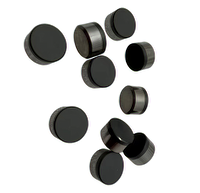
What causes PDC cutter thermal degradation?
Understanding PDC Cutter Thermal Degradation
Polycrystalline diamond compact (PDC) cutters are a vital component in modern drilling operations, known for their exceptional hardness and resistance to wear. However, thermal degradation is a significant issue affecting their performance. Understanding the factors that contribute to this phenomenon is essential for optimizing their use in drilling applications.
Factors Contributing to Thermal Degradation
Thermal degradation in PDC cutters primarily results from prolonged exposure to elevated temperatures during drilling operations. Several factors play a crucial role in this process:
- High Cutting Temperatures: During drilling, the friction between the cutter and the rock generates substantial heat. When temperatures exceed the stability threshold of the diamond matrix, degradation occurs, leading to loss of cutting efficiency.
- Material Properties: The composition of the PDC cutter significantly influences its thermal stability. High-purity tungsten carbide, commonly used in KBJZ products, enhances resistance to thermal degradation.
- Geological Conditions: The type of rock being drilled also affects thermal dynamics. Harder rock formations impose greater stress and heat generation, exacerbating thermal degradation.
Impact of Cooling Mechanisms
Cooling mechanisms play a pivotal role in mitigating thermal degradation. The effectiveness of coolant use, whether through drilling fluid or other cooling agents, significantly impacts the temperature management of PDC cutters.
- Drilling Fluids: The circulation of drilling fluids helps dissipate heat, thereby reducing the risk of thermal degradation. Quality drilling fluids optimized for specific geological conditions can enhance cutter longevity.
- Advanced Cooling Techniques: Innovations in cooling technologies, such as using aerated fluids, can further lower temperatures at the cutter interface, prolonging their operational life.
Wear Mechanisms Linked to Thermal Effects
Thermal degradation is often accompanied by various wear mechanisms, further complicating the longevity of PDC cutters. These mechanisms include:
- Abrasive Wear: As temperatures rise, the hardness of materials can fluctuate, increasing their susceptibility to abrasive wear from the surrounding rock.
- Fatigue Failure: Repeated thermal cycling can induce fatigue failures. The expansion and contraction of materials at high temperatures can create micro-cracks, leading to catastrophic failure.
Preventive Measures and Best Practices
To mitigate thermal degradation, practitioners in the drilling industry can adopt several best practices:
- Monitoring Temperature: Utilizing temperature sensors during drilling can provide real-time feedback, allowing for immediate adjustments to drilling parameters.
- Optimizing Bit Selection: Selecting the appropriate PDC cutter, like those manufactured by KBJZ, designed for specific applications can significantly reduce thermal stress.
- Training Personnel: Educating drill operators on the importance of temperature management and the potential impacts of thermal degradation can enhance operational efficiency.
Conclusion: The Importance of Material Engineering
The ongoing evolution of PDC cutter technology, coupled with an emphasis on material engineering, has led to significant advancements in the field. High-purity tungsten carbide and innovative designs are crucial in enhancing the thermal stability of PDC cutters. By understanding the causes and consequences of thermal degradation, stakeholders can make informed decisions, ultimately improving drilling efficiency and reducing operational costs.