What cutter lasts longest in abrasive formation?
Understanding Abrasive Formations
Abrasive formations present unique challenges in the field of drilling, requiring specific tools designed to maximize efficiency and longevity. The choice of cutter can greatly influence both the performance and operational costs associated with drilling.
Types of Cutters Used in Abrasive Formations
Several types of cutters are commonly employed in abrasive drilling operations, each with its own advantages and limitations. Among these, polycrystalline diamond compact (PDC) cutters, roller cone bits, and natural diamond bits are frequently utilized.
PDC Cutters
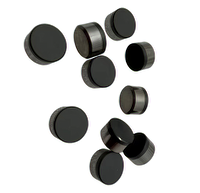
PDC cutters are renowned for their durability and cutting efficiency. Constructed from layers of diamond particles, they offer superior wear resistance, making them ideal for abrasive formations. Their ability to maintain sharpness over extended periods leads to reduced downtime and cost-effectiveness.
Roller Cone Bits
On the other hand, roller cone bits, which feature steel or tungsten carbide inserts, provide versatility in varying geological conditions. While they may not match the longevity of PDC cutters in certain abrasive settings, they excel in handling diverse formations, making them a popular choice for many drilling operations.
Natural Diamond Bits
Natural diamond bits, although less common due to their higher cost, demonstrate exceptional performance in extremely abrasive conditions. The hardness of natural diamonds enables these bits to endure intense wear, yet their fragility may limit their application in some environments.
Factors Influencing Cutter Longevity
The longevity of a cutter in abrasive formations is influenced by a multitude of factors, including material composition, design, and operational parameters.
Material Composition
- Diamond Content: Higher diamond content typically correlates with enhanced durability.
- Bonding Agent: The type of bonding agent used in PDC cutters can affect wear resistance.
Design Features
- Cutting Edge Geometry: Optimized geometries can improve penetration rates and reduce wear.
- Cooling Mechanisms: Effective cooling strategies can mitigate thermal degradation and extend cutter life.
Operational Parameters
Drilling parameters, such as weight on bit (WOB) and rotational speed, play a crucial role in cutter longevity. Excessive WOB can lead to premature wear, whereas optimal parameters can enhance performance.
Comparative Longevity of Cutters
When comparing the longevity of various cutter types, PDC cutters often emerge as the frontrunner in terms of wear resistance and overall lifespan in abrasive formations. Field studies have shown that, under optimal conditions, PDC cutters can outlast both roller cone bits and natural diamond bits.
Case Studies
In a recent field trial conducted in a highly abrasive environment, a set of PDC cutters from the KBJZ brand demonstrated up to 30% longer operational life compared to competitor products. This significant improvement in longevity not only reduced the total drilling costs but also enhanced overall project efficiency.
Conclusion on Cutter Selection
Ultimately, the selection of the best cutter for abrasive formations hinges on a thorough understanding of the geological conditions, operational requirements, and economic considerations. While PDC cutters generally offer the most extended service life, the specific application and environment will dictate the most suitable choice for each drilling project.