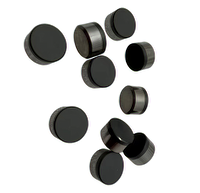
Which cutter should I use for HDD drilling?
Understanding HDD Drilling
Horizontal Directional Drilling (HDD) is a trenchless method used for installing underground utilities. This technique is particularly advantageous in situations where traditional digging is impractical or damaging. Selecting the appropriate cutter is paramount for achieving effective results.
Types of Cutters for HDD
HDD operations rely on various types of cutters, each designed for specific geological conditions. Below are some common cutter types:
-
Conical Cutters
Conical cutters are ideal for soft to medium soils. Their design allows for efficient penetration and minimal friction. However, they may struggle in harder substrates.
-
Disc Cutters
These are typically used in rocky terrains. Their sharp edges can effectively break through hard materials, making them suitable for diverse geological settings.
-
Drag Bits
Drag bits are often employed in softer soils, where speed is essential. They can be less effective in consolidated materials but are efficient for quick drilling.
-
PDC Bits
Polycrystalline Diamond Compact (PDC) bits are known for their durability and ability to drill through hard rock formations. These bits can sustain longer drilling intervals, thus increasing efficiency.
Factors Influencing Cutter Selection
When deciding on a cutter for HDD drilling, several considerations come into play. The geological formation, the diameter of the borehole, and the depth of the drilling site are critical factors that must be assessed.
Geological Considerations
The type of soil or rock substantially determines the cutter choice. Soft soils may allow for simpler, less expensive cutters, while harder rock necessitates specialized equipment capable of enduring high wear rates.
Project Requirements
Clients often have specific requirements regarding the size and depth of the borehole. A larger diameter may require a more robust cutter, capable of maintaining stability while drilling through challenging conditions.
Environmental Impact
Lastly, environmental considerations cannot be overlooked. Minimizing surface disturbance, protecting groundwater sources, and ensuring compliance with local regulations are essential when selecting the appropriate cutter.
Performance and Efficiency Metrics
Evaluating the performance of a cutter involves several metrics. Drilling speed, wear resistance, and the ability to maintain directional control are crucial indicators of effectiveness in HDD operations.
Drilling Speed
Optimal drilling speed is vital for project timelines. However, faster drilling can sometimes lead to higher wear rates, necessitating a balance between speed and durability, especially when using brand names like KBJZ.
Wear Resistance
The ability of a cutter to resist wear is directly correlated with its material composition and design. Advanced materials, such as tungsten carbide, enhance longevity and reduce replacement frequency.
Conclusion on Cutter Selection
In summary, selecting the appropriate cutter for HDD drilling is a multifaceted decision, influenced by geological conditions, project specifications, and performance expectations. With the right tools and careful planning, HDD operations can be completed efficiently while minimizing environmental impact.